
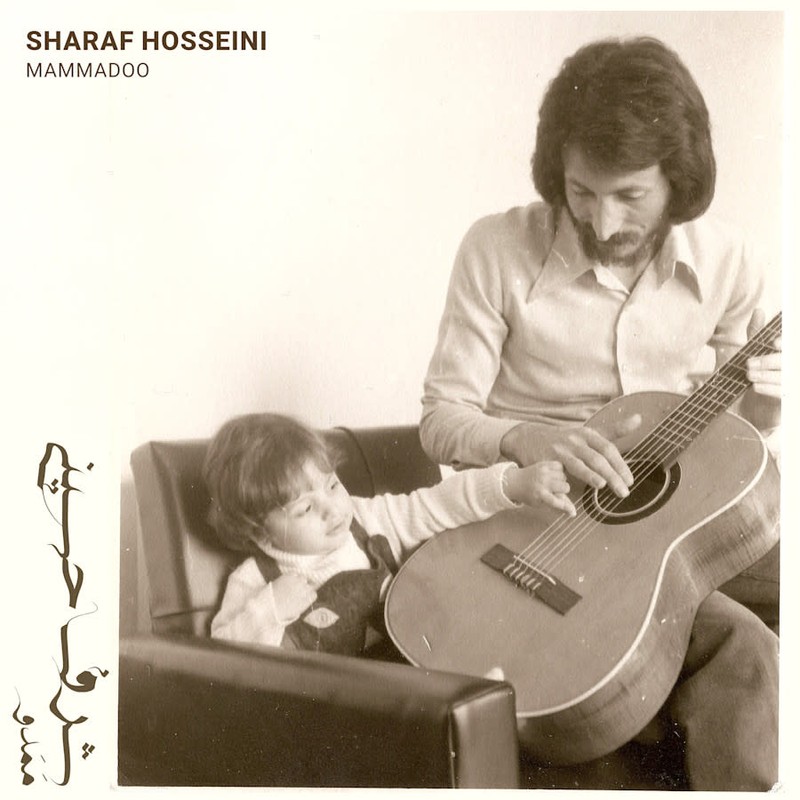
Mammadooمَمَدو
Year
2011
Genre
Folk, Home-Record, BandarAbbas, Hormozgan
Runtime
04:10
Language
Hormozgani - Persian
Location
Borås, Sweden
Description
In our childhood home, among the cassettes on the wooden shelf, there were several home recordings, both sides of which were filled with music recorded by our relatives from the southern coast. A people for whom music was a part of everyday life. I, whose favorite toys included the tape recorder and cassettes, had gone through each, keeping the ones I liked and without permission or considering others’ wishes, recording my own voice over the rest in the form of a radio program full of the nonsense from a 4-year-old’s mind.
One of the cassettes that survived and that I’ve kept with me to this day is the voice of Uncle Sharaf, who with a guitar and a few simple chords, sang his southern songs in a gathering where most of the others mostly women joined him in singing the chorus.
This cassette smelled of the port and carried the softness and warmth of Mom. It gave a sense of safety and intimacy. Every time I listened to it, my eyes would squint, my smile would stretch wide, my head would sway, and I would long to be sitting in Grandma’s home, leaning against cushions all around, eating Garmzangi and Konar.
After years of being played over and over in various places and cities we migrated to, from the car stereo to a five-year-old’s tape recorder, the cassette now mostly gives off the sound of static, with just a faint trace of Sharaf’s voice still recognizable.
Sharaf Hosseini was a musician, a poet, a singer, songwriter, one of those who are now nearing extinction. He is my mother’s uncle, my grandmother’s brother. He has that same calmness, and his simplicity and gentleness is of the same kind.
Summer 2011, when I traveled to Borås, Sweden, I saw Sharaf again after many years and asked him to sing some of his nostalgic original songs once more and we sang along. This time, in Uncle Sharaf’s home, there was his wife Farrokhondeh, his daughter Ava, his grandson Adrian, and me, always ready to sing along. Three generations came together once more to bring “Mammadoo” back to life, so I record it.
“Mammadoo” seems to be the name of a young man whose old father advises him: “My dear, never let yourself be humiliated; you are my beloved, never let yourself be trapped. Don’t walk alongside the cruel or the corrupt, and don’t give your heart to bitter people. Keep kindness, love, and loyalty in your heart, and don’t let resentment in. Be brave and push fear away from your heart. Help those who have fallen and support the weak.”
در خانهی کودکی ما در میان کاسِتهای طبقهی چوبی، چندین ضبطِ خانگی وجود داشت که هر دو ورشان پر بود از موسیقیهای ضبطشده توسط اقوام بندری. قومی که موسیقی بخشی از حیات هر روزهشان بود. من که یکی از اولین اسباببازیهای مورد علاقهام ضبط و کاستهای خانه بود، به تکتک آنها رجوع کرده بودم و آنهایی را که دوست داشتم نگه میداشتم و روی باقی، بدون اجازه و توجه به خواست دیگران، صدای خودم را در قالب برنامهای رادیویی از جفنگیات ذهن یک چهار ساله ضبط میکردم. یکی از کاستهایی که نجات یافت و تا همین امروز پیش خودم نگهداشتم، صدای دایی شرف است که با گیتار و چند آکورد ساده، شعرهای بندریاش را در جمع خوانده و باقی که بیشتر زنها بودند او را همراهی کردهاند. این نوار کاست بوی بندر میداد و حال و هوایی داشت از نرم و گرمی مامان. احساس امنیت و صمیمیت میداد و هر بار که میشنیدم چشمهایم ریز میشد و لبخندم پهن و سرم تکان تکان میخورد و دلم لک میزد برای نشستن در خانهی مامان بزرگ، دورتادور تکیه به پشتیها و خوردن گارمزنگی و کُنار. بعد از سالها بارها و بارها پخش شدنش، در مکانهای گوناگون و شهرهای مهاجرتکرده، از ضبطِ ماشین گرفته تا ضبطِ صوتِ کودک پنج ساله، دیگر بیشتر صدای هوا میداد و تهصدایی از شرف قابل تشخیص بود. شرف حسینی موزیسین بود و شاعر، از آنهایی که امروز مثالشان رو به انقراض است. دایی مادرم است یعنی برادر مادربزرگم. همان آرامش را دارد و سادگی و لطافتش از همان جنس است. تابستان ۱۳۹۰ که به سوئد سفر کردم، در تیرماه بعد از سالها دایی شرف را دیدم و تقاضا کردم دوباره بعضی از این آهنگهای نوستالژیک اوریجینالش را بخواند و ما همراهیاش کنیم. این بار در خانهی دایی شرف، همسرش فرخنده بود، آوا دخترش و آدرین نوهاش، مادرم و من که همیشه برای خواندن در جمع آمادهام. سه نسل با هم بار دیگر «مَمَدو» را زنده کردیم و من ضبطش کردم. «مَمَدو» گویا نام پسر جوانیست که پدر پیرش نصیحتش میکند که «ای گُل من، مبادا که خوار شوی؛ تو جگرگوشهی منی، مبادا گرفتار شوی. گامهایت را همقدم ظالمان و بدکاران مگذار و دل به دلچرکینان مبند. مهر و محبت، عشق و وفا را در دل بپروران و کینه به دل راه مده. جامهی شجاعت بر تن کن و ترس را از جان بزدای. دست افتادگان را بگیر و ضعیفان را یاری کن.»